
Spending more on AI but can’t tell if it’s paying off?
AI coding tools have helped engineering teams move faster, but they’ve also created a budget line item that’s hard to explain, forecast, and manage. The AI bill keeps climbing, usage is increasing, but no one can say which of that spend is producing valuable work.
You might be exploring a solution to help manage your AI usage and control costs, and software engineering intelligence platforms seem like a plausible place to start, because they’re built to show how engineering teams perform.
But optimizing AI outcomes and controlling AI spend takes more than visibility. That’s where token engineering comes in.
What do software engineering intelligence platforms do?
Software engineering intelligence platforms, also known as SEIPs, bring together data from across the software development lifecycle to help organizations understand how teams work and where they can improve.
These platforms connect to systems such as source control, project management, CI/CD, and incident management. They collect and normalize information from tickets, commits, pull requests, deployments, and incidents, connecting records that would otherwise remain scattered across tools.
That unified view lets organizations track a variety of metrics, such as DORA metrics and developer productivity metrics. Furthermore, leaders can identify review bottlenecks, understand how much capacity goes toward unplanned work, and assess whether engineering investments support business priorities. These platforms allow users to create dashboards with custom alerts and recommendations to help teams use their insights to improve delivery.
Well-known tools in this category include Jellyfish, DX, and LinearB—just to name a few. To help engineering organizations navigate the AI disruption, these companies have also added new capabilities, including AI adoption tracking, activity measurement, and analysis connecting AI usage with delivery outcomes. For example, DX offers AI measurement, while LinearB connects AI usage signals with delivery and quality metrics.
These capabilities are useful for engineering leaders to understand AI’s impact. However, measuring AI-related activity—even alongside productivity metrics—doesn’t automatically improve the return on that investment. Organizations also need a way to change how AI work happens and sustain those improvements while managing overall AI spend.
What are the limitations of software engineering intelligence platforms?
The integration of AI coding tools introduced a new challenge for organizations that traditional SEIPs weren’t built for. Managing the economics of AI, also known as AI tokenomics, is novel and extremely challenging. AI spend depends on a variety of factors, such as the tools and models teams use, the context agents process, and how many attempts a task takes to complete. Even falling token prices can lead to higher bills as organizations expand AI usage.
Many companies initially went all-in on AI adoption and encouraged their workforce to conduct heavy experimentation across their workflows. In some cases, tokenmaxxing—using as many AI tokens as possible—was an expectation, as increased AI usage was seen as a sign of increased productivity. Companies blew through their AI budgets, and many are now pulling back on AI spending by introducing caps and restricting access. But neither higher consumption nor a smaller bill establishes whether AI is delivering a worthwhile return. Spending cuts can also restrict productive work while leaving inefficient practices untouched.
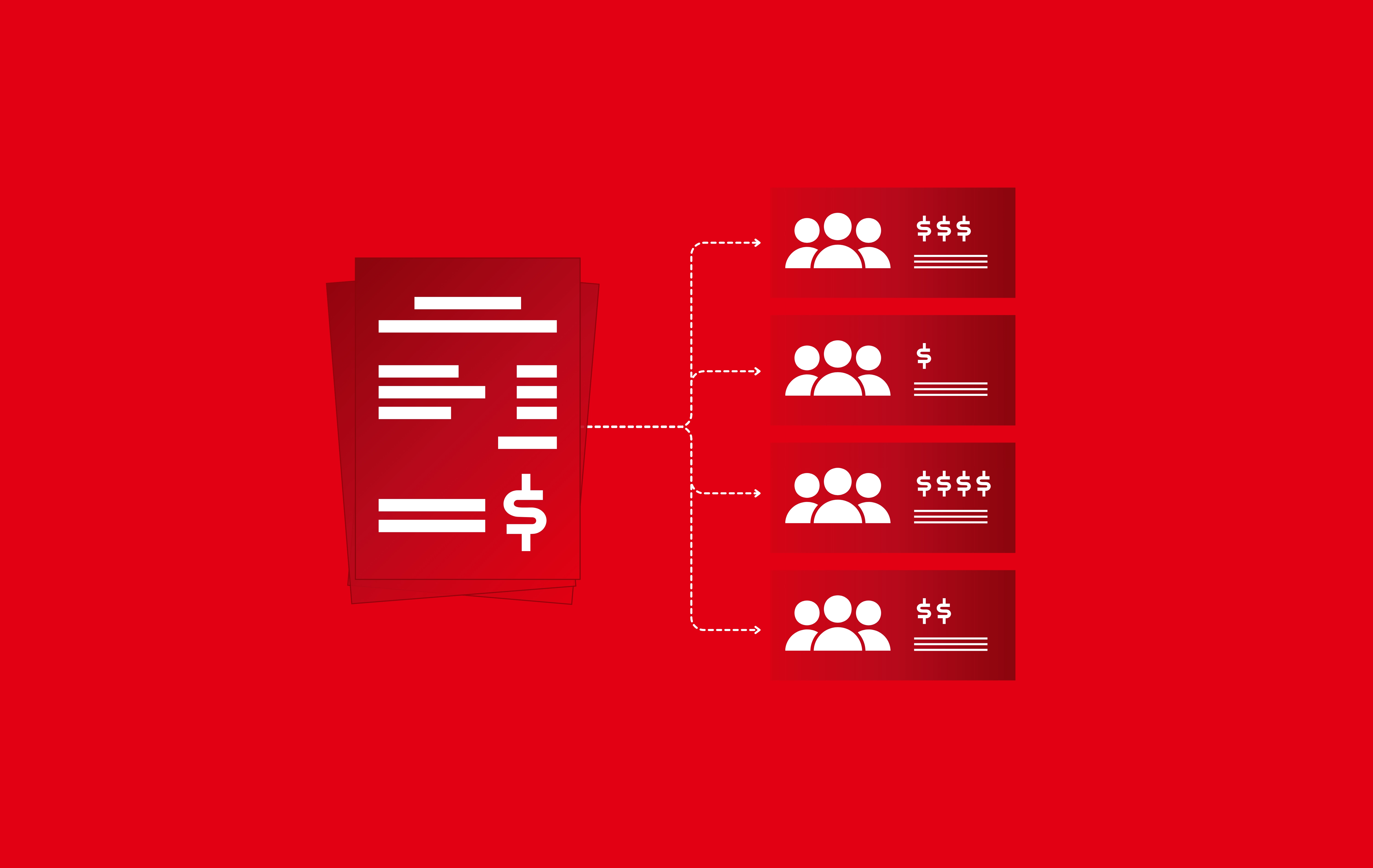
Organizations implementing AI are all working towards the same goal: achieving AI ROI. Getting there requires visibility into where money is being spent on AI, an understanding of what that spend is producing, the ability to optimize how AI is being used to balance outcomes with cost, and policies and guardrails that preserve those gains as AI usage scales.
What type of solution helps companies achieve AI ROI?
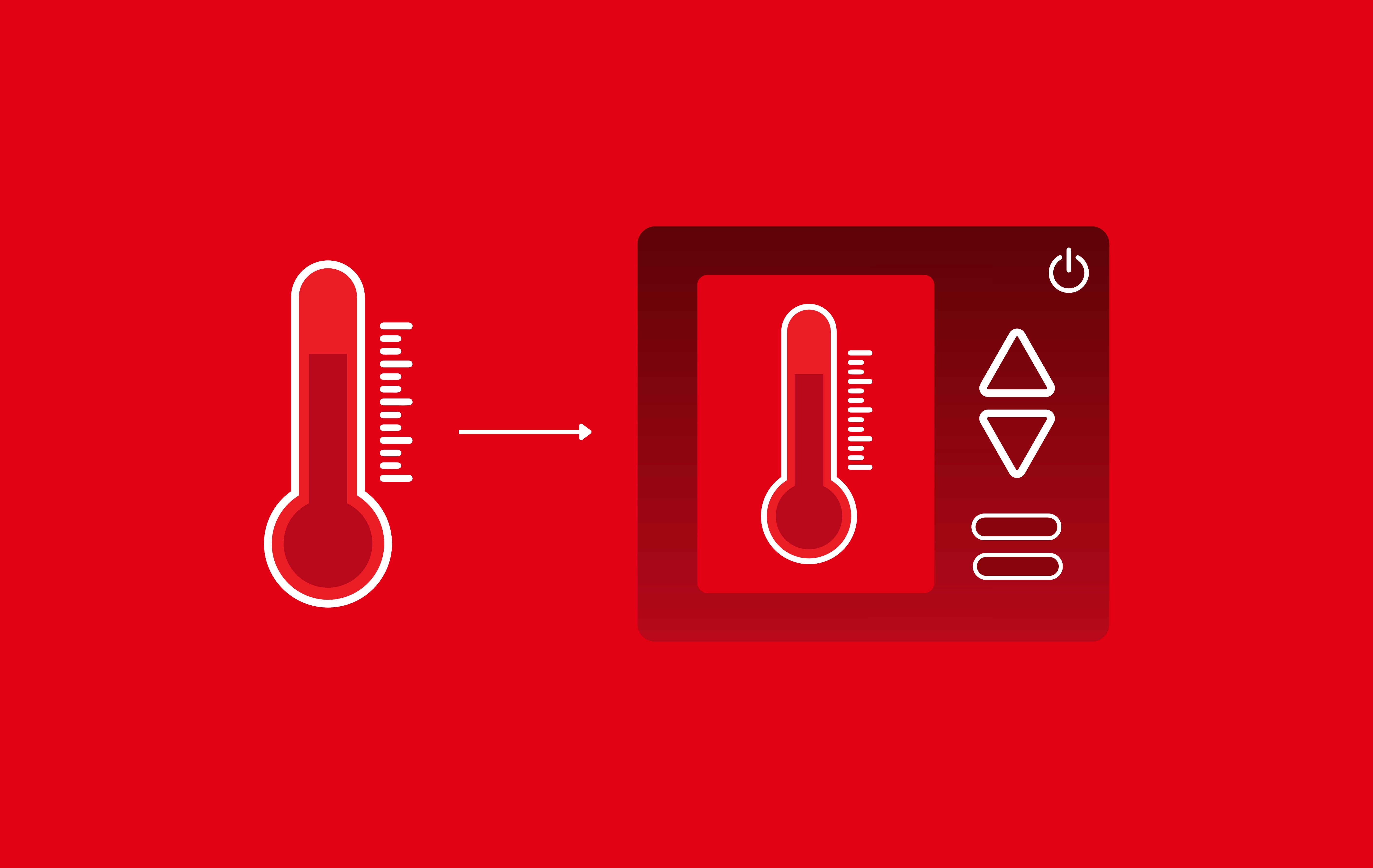
Token engineering is the practice of measuring, optimizing, and governing AI usage and spend so every AI dollar produces more valuable work. A token engineering platform puts that practice into operation across the organization. It retains the ability to track traditional engineering and developer productivity metrics, then goes beyond reporting to actively improve how AI work gets done, from the models and agent configurations teams rely on to the guardrails that keep usage efficient as it scales. This makes it a strong alternative to software engineering intelligence platforms for organizations whose needs extend beyond understanding engineering performance to actively managing the cost and quality of AI-augmented work.
How Faros’s token engineering platform helps companies reach AI ROI
Faros helps companies achieve a return on their AI investment by connecting AI spending across tools, teams, and models to the engineering work it produces, then helping organizations improve how that work gets done. Through a continuous loop of observe, optimize, and govern, leaders can identify where spending delivers useful results, evaluate model routes and agent context against their own engineering tasks to reduce cost while maintaining quality, and enforce budgets, approved configurations, and usage policies across teams. Together, these mechanisms help organizations reduce waste, invest in productive AI workflows, and sustain those gains as usage scales.
If you’re interested in learning more, you can start exploring Faros at your own pace with Faros Playground.
If you’re ready to see exactly how Faros can help your organization achieve AI ROI, reach out for a demo.