Put every engineering task on its best model route
Faros uses patent-pending methods to evaluate models and harnesses against your organization’s historical work, and routes your sessions to the models that perform best in your specific environment. Use our AI Gateway or yours.
identity provider


US Bank



consulting firm


automation provider


Card Issuer

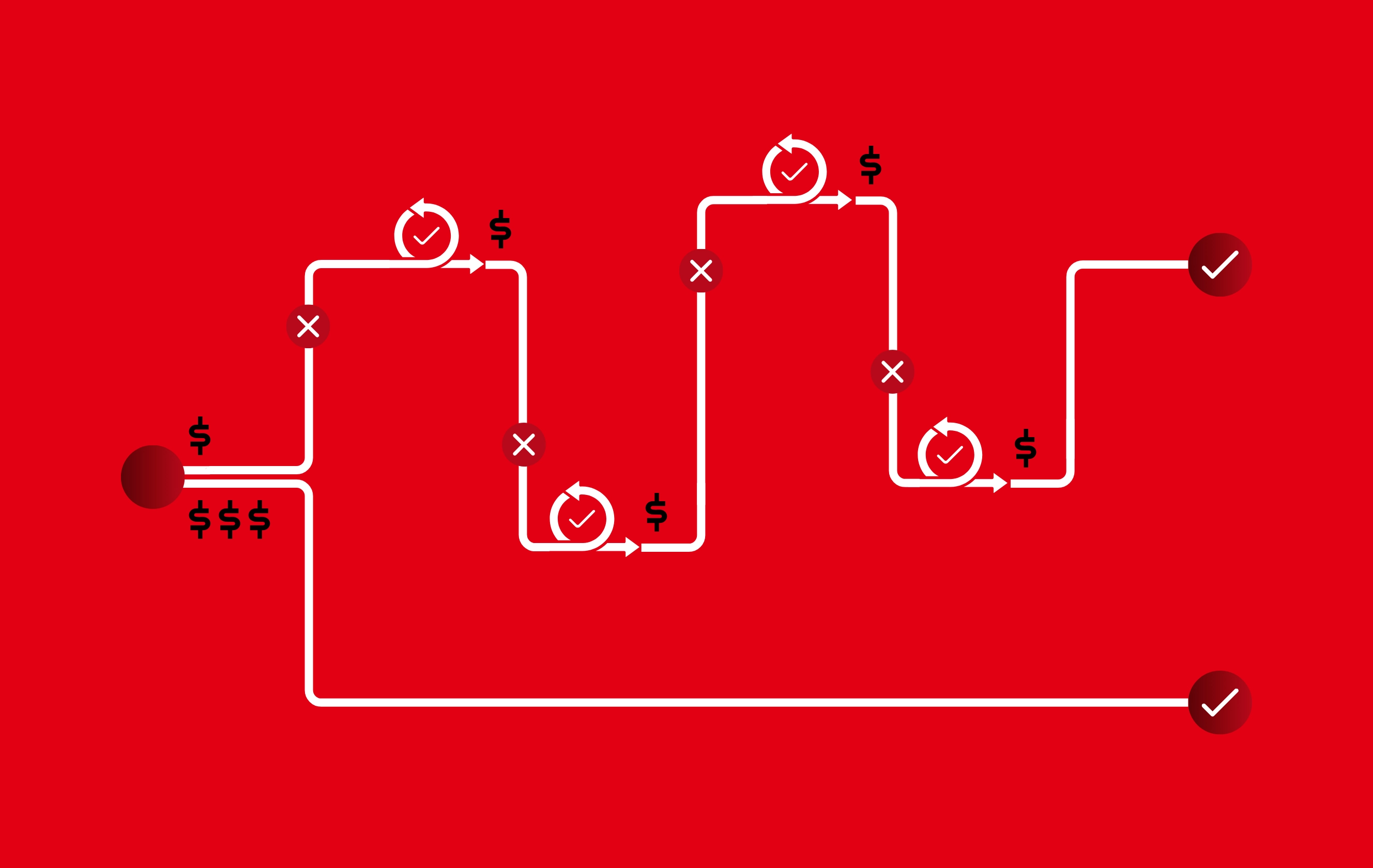
Your model choices are increasing your AI bill
Human builders often pick models on gut feel, brand, or leaderboard rank. “Smart” AI routers rely on their own benchmarks and whatever they can infer from the session. Neither accounts for your codebase, task mix, or quality standards. The result is wasted tokens.

No universal “best” model
A leaderboard cannot tell you which model-and-harness combination performs best on your unique repo

Costly defaults
Builders often overuse flagship models for work that a faster or lower-cost route could complete just as well

Routers can't see outcomes
A router built into a single coding tool is blind to your other harnesses and to which outcomes shipped
A cheaper model doesn’t automatically deliver better outcomes
The right choice isn’t the cheapest model or the smartest model. It’s the route that delivers the best outcome, at the right speed and cost, for each task.
That decision needs proof from your own AI coding environment, along with controls that make it repeatable. Otherwise, you’re paying a hidden model tax, on top of your escalating AI bill.
Model performance, benchmarked on your own work
Faros uses patent-pending methods to evaluate models and harnesses against your organization's historical tasks, so you learn which routes perform best on real engineering work done in your environment.
Every task routed to its proven best fit
The Faros Time Machine evals engine tests models and harnesses on your own code to find the best combination of speed, quality, and cost for each task.
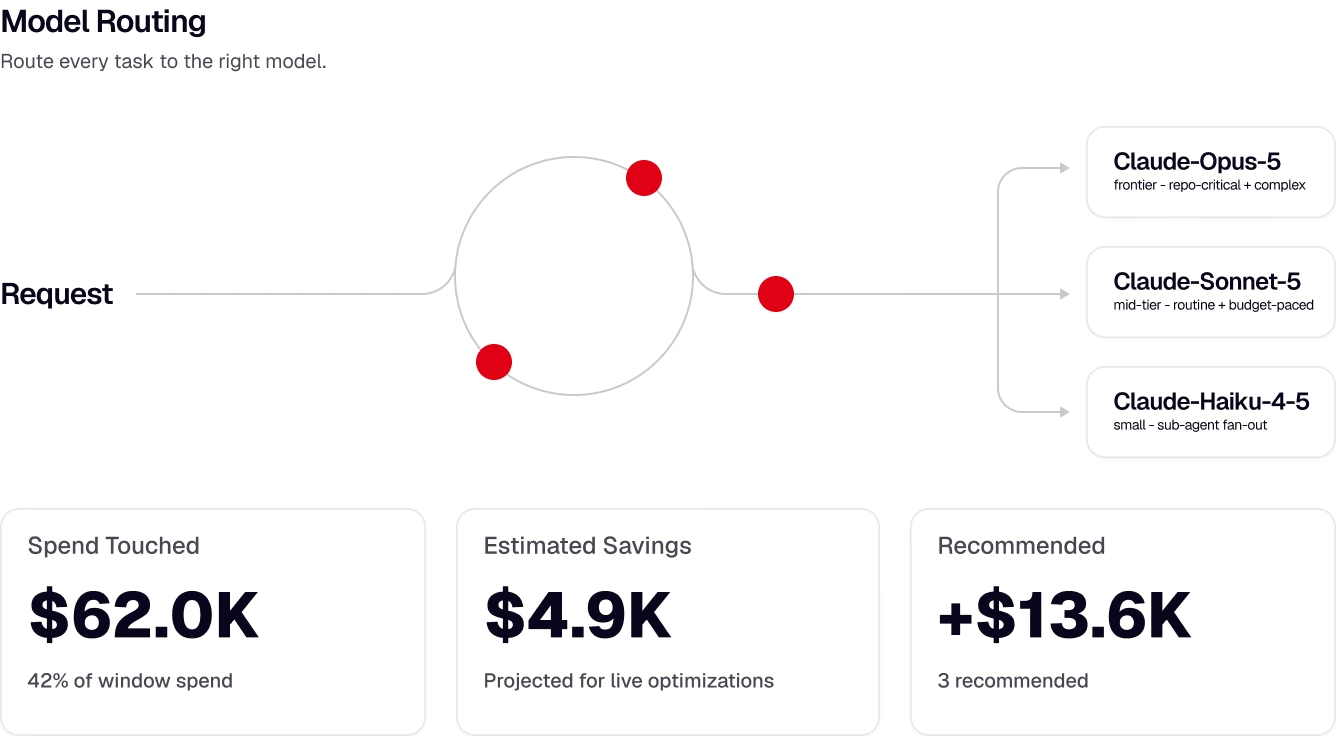
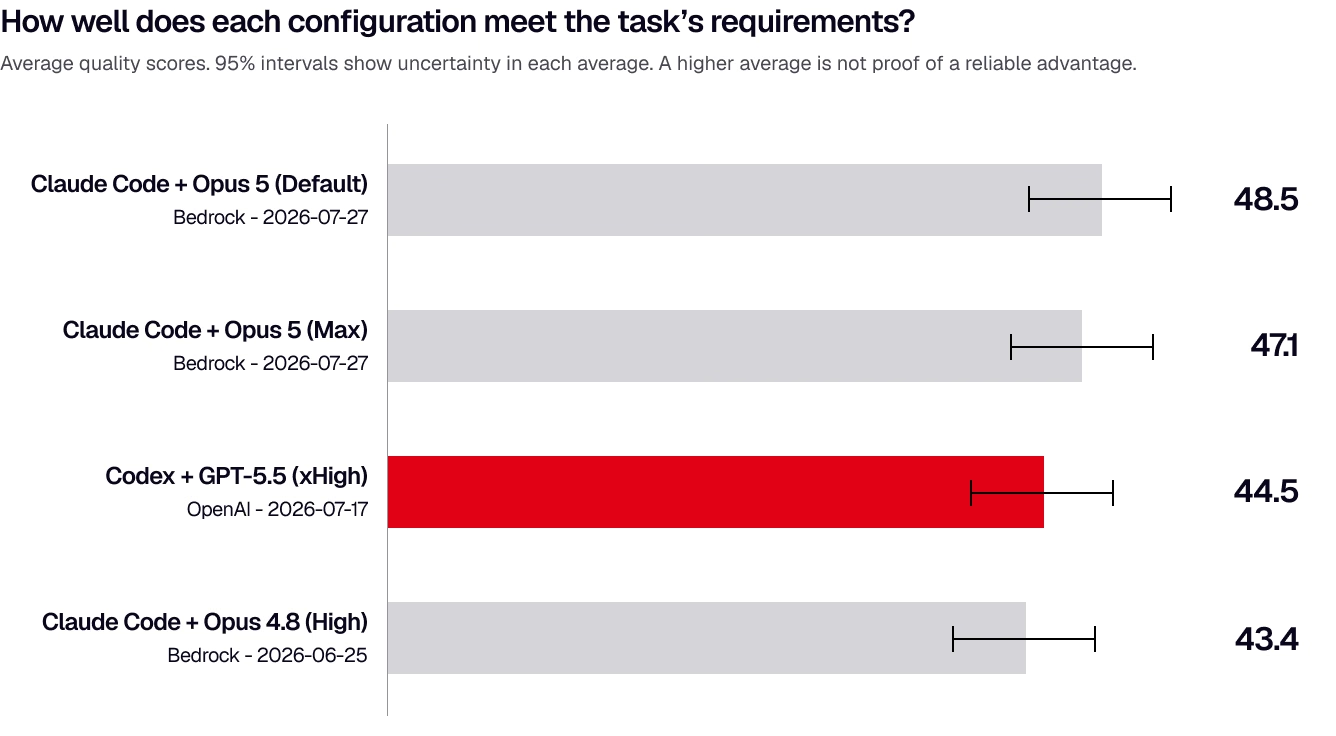
Model routing as a continuous operating loop
Faros turns model routing from a one-time choice based on public benchmarks into an ongoing process that improves with results from your own work.
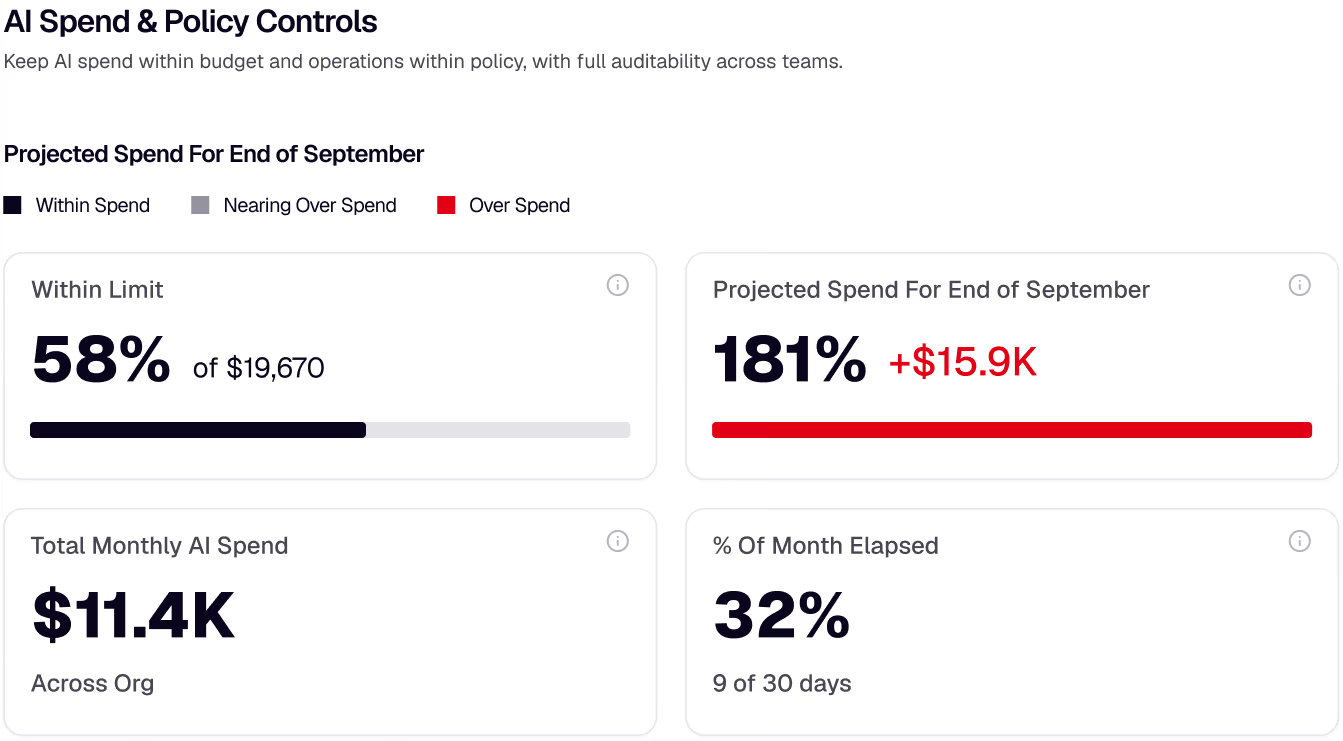
Guardrails that prevent shadow use
Set model policies and audit controls through your gateway or ours. See policy violations as they happen, so teams can keep AI use within cost, security, and compliance guardrails.
Top questions
Connects with everything AI engineering
Faros works by connecting to the systems where AI coding work already lives, from builder desktops and agents to gateways, source control, tickets, CI/CD pipelines, and incidents.





Discover the model routes that work best for your environment
Learn how to measure model performance using outcome signals and guardrail metrics that reveal which AI routes are actually earning their cost.
What’s new at Faros
The Speed Trap: 8 takeaways from our latest AI engineering research
AI made software development faster, but review gaps, QA bottlenecks, and rising incident volume reveal a new risk: the Speed Trap.