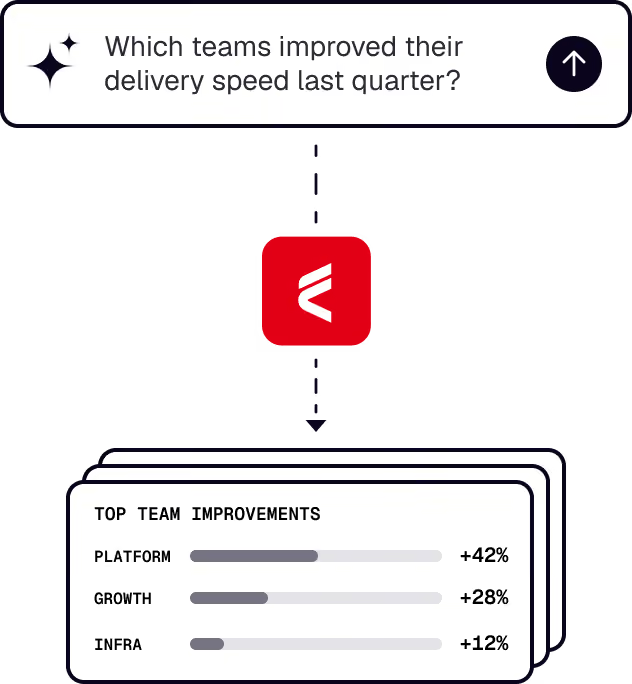
Ask any question about how your engineering org performs
Faros brings years of delivery metrics into its Token Engineering Platform and models your engineering data across every tool, and provides the foundation that allows your AI agent to deliver accurate, well-supported answers about delivery, quality, and AI outcomes.
identity provider


US Bank



consulting firm


automation provider


Card Issuer

AI rewrote how your teams build software
AI is now the primary author of code in most engineering organizations, and the old ways of measuring developer productivity no longer tell the whole story. Commits and pull requests have increased significantly, but so have churn, unreviewed merges, and incidents. Leaders need a clear way to understand how effective their human and agentic builders really are.

DORA metrics with no AI context
Lead time and change failure rate are shifting with AI adoption, and nobody knows how much of the change AI caused

Bottlenecks hiding in plain sight
AI speeds up code writing, but delays are moving downstream into review, QA, and deployment, where they are difficult to find

Uneven AI ROI across teams
Some teams turn AI into faster delivery while others see little gain, and most organizations can’t tell which teams are which, let alone why
Maintaining an AI engineering data model is an ongoing investment
It takes a dedicated team to build and maintain an AI engineering data model as APIs, agents, tools, schemas, team structures, and best practices are all in constant flux. One Faros customer spent several years attempting to build its own engineering data model before choosing to buy ours instead.
One data model. Answers you can rely on
Faros has spent years modeling how engineering work moves through an organization, and that model now powers everything in our Token Engineering Platform.
An engineering data model, ready from day one
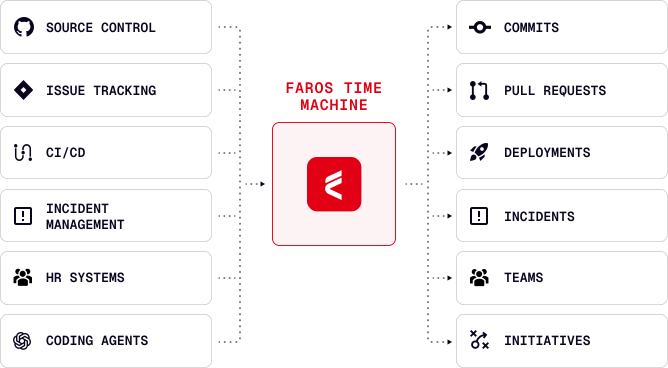
The Faros AI Engineering World Model connects source control, issue tracking, CI/CD, incident management, HR systems, and coding agents, then links every commit, pull request, deployment, and incident to the team and initiative it belongs to.
Any engineering metric, accurate and dependable
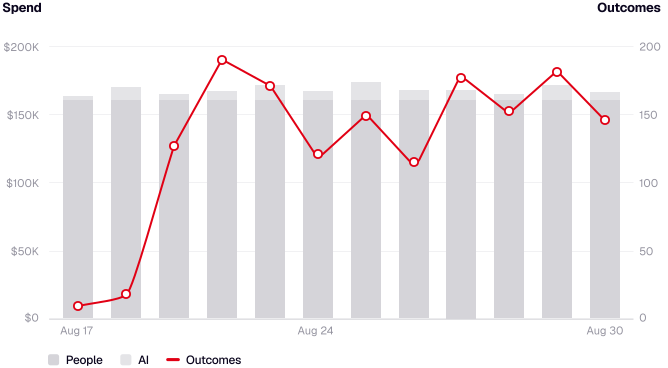
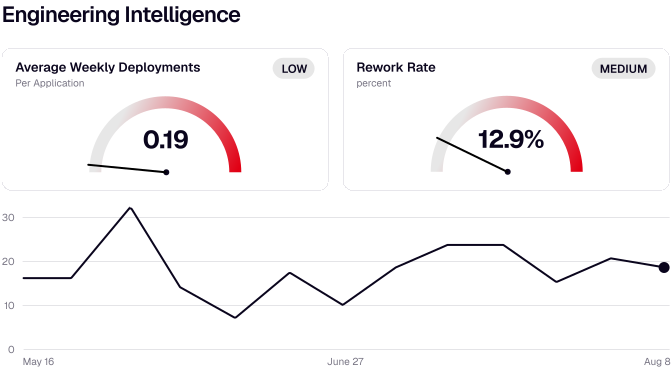
Ask about lead time, change failure rate, rework, PR size, review time, incidents per change, or any other operational metric, then break down your question by team, repository, AI tool, or model. Pair the answers with token spend to understand cost per outcome.
Your own custom dashboards
Connect Claude, Codex, or any MCP-compatible agent to Faros. The data model gives your agent a structured map of your engineering, so it can immediately find meaningful connections between the relevant records, using fewer tokens. Every dashboard and report your agent builds draws from one data model, so the numbers match across views and answers are defensible.
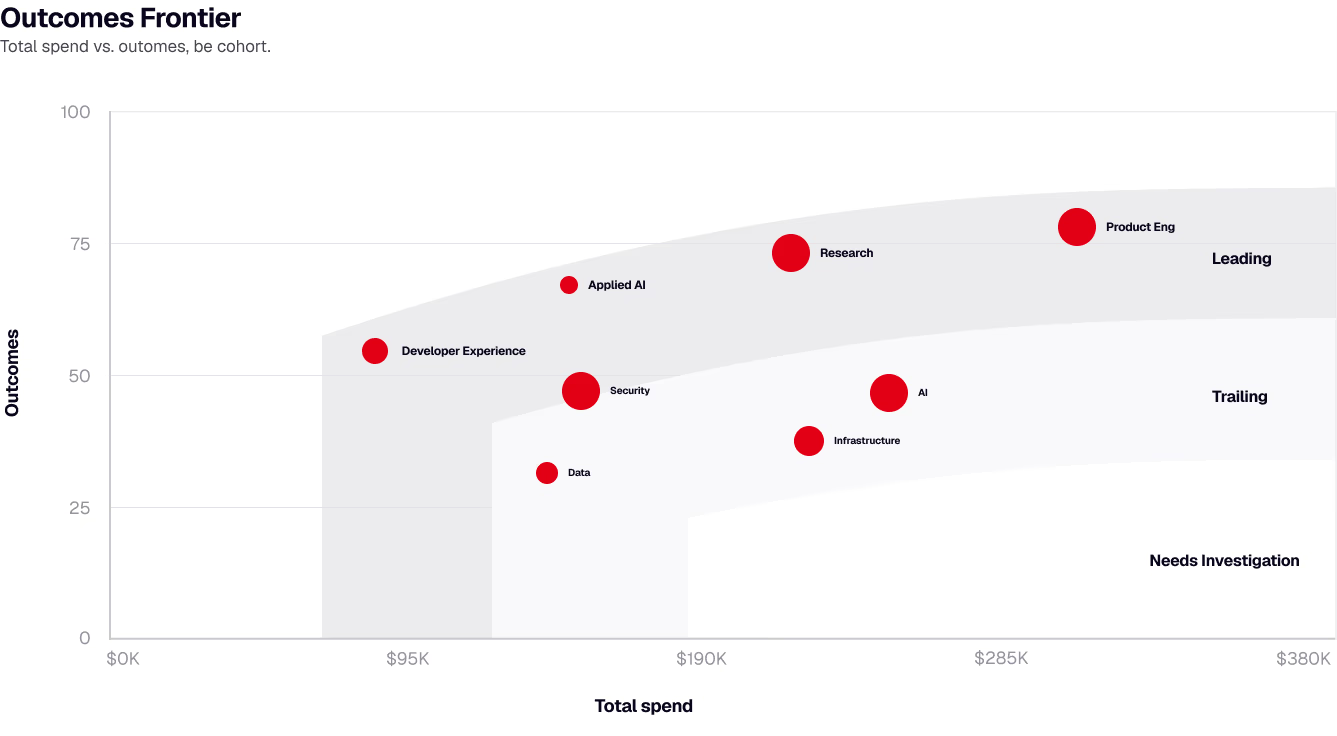
Productivity gaps, identified and solved for
Compare teams, repositories, and epics on AI spend and shipped outcomes in a single view, so you know which are leading or trailing, and which need further investigation.
Frequently asked questions
Connects with everything AI engineering
Faros works by connecting to the systems where AI coding work already lives, from builder desktops and agents to gateways, source control, tickets, CI/CD pipelines, and incidents.





What’s new at Faros
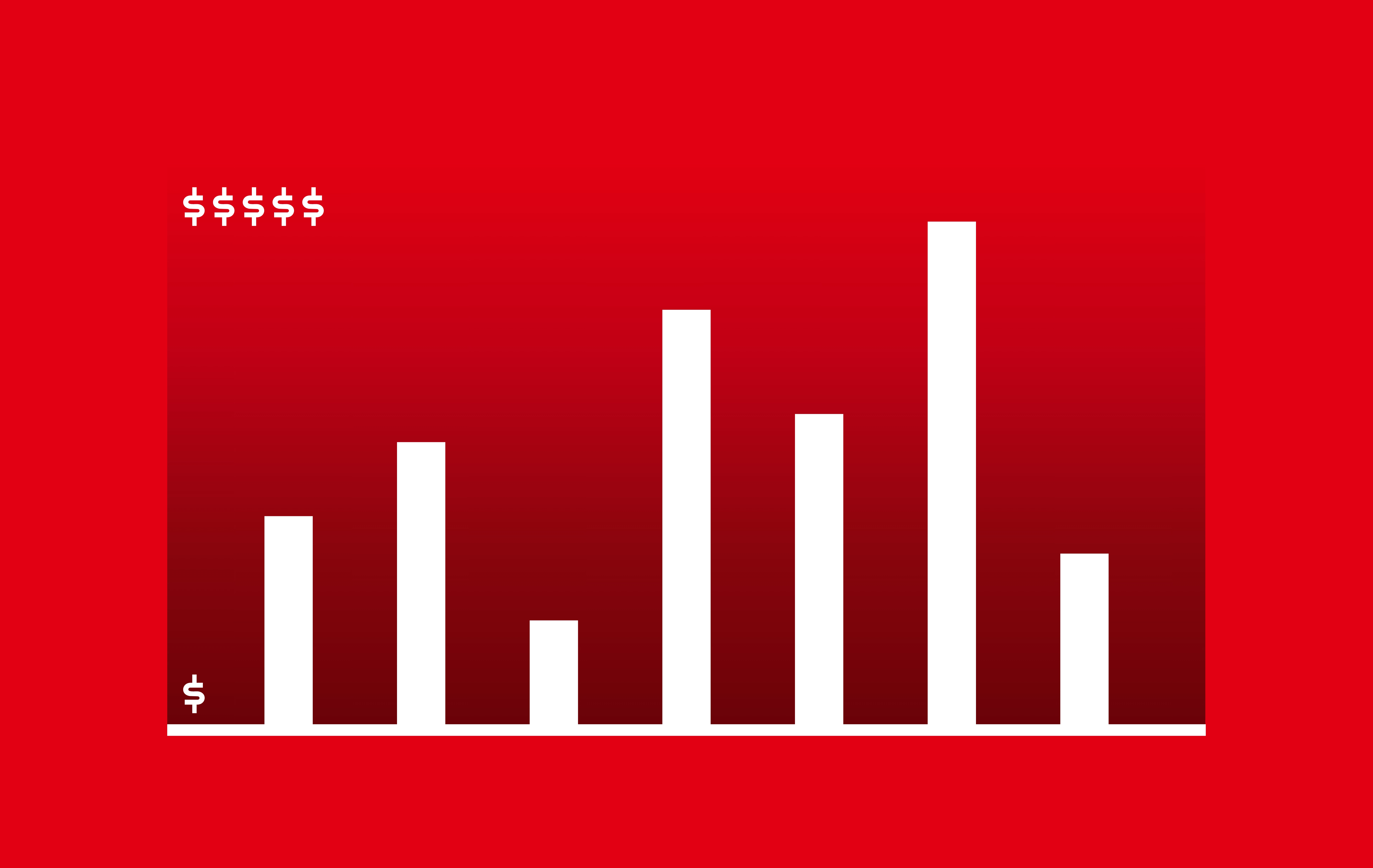
How to track AI coding costs across teams
See how to track AI coding costs across teams, connect spend to engineering outcomes, measure cost per verified outcome, and optimize AI spend.
Ask your engineering data anything
See how the Faros AI Engineering World Model can be used to answer your questions about delivery, quality, and AI impact in a live demo.