This page is archived and may not reflect the current Faros platform.
See the platform →
predictable delivery roadmap
Achieve strategicbusiness outcomes.
Create transparency, predictability, and
consistency across cross-team engineering
initiatives. Faros helps keep teams focused, stakeholders
informed, and strategic commitments on time.
Centralized visibility to harmonize delivery efforts across agile teams, tools, and timelines
Deliver on time, every time
Stay on schedule with centralized progress tracking and forecasting for cross-team initiatives.
Optimize resource allocation
Create realistic plans with AI-powered insights into team capacity, workloads, and constraints.
Get ahead of blockers
Track dependencies in real time and surface delays early—before they impact your roadmap.
Gain alignment and keep initiatives on track
Faros gives leaders and program managers the clarity they need to plan confidently and deliver on time. From strategic forecasting to team-level execution, every feature is built to keep your organization moving in sync.
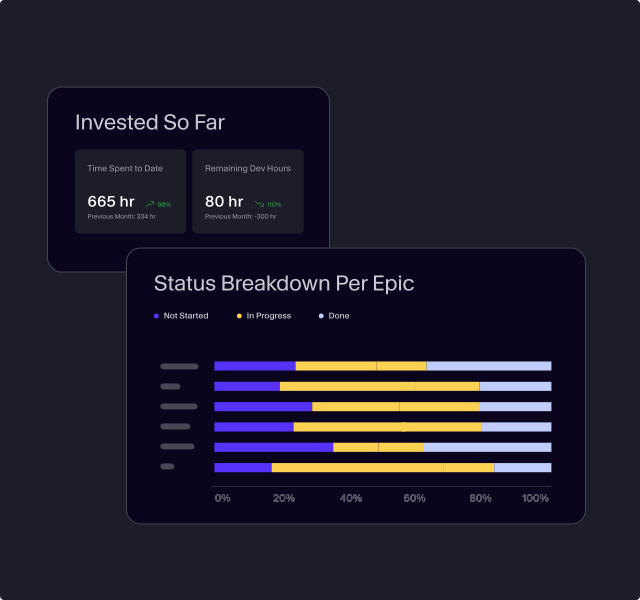
Align your people, processes, and tools—no matter how fragmented
Faros connects disjointed data across all your tools (including from non-standardized Jira implementations) into a single, centralized source of truth.
- Monitor progress across every project, feature, and epic
- Stay informed of initiative health, including budget, delivery dates, and scope creep
- Auto-fix data hygiene issues for trustworthy reporting
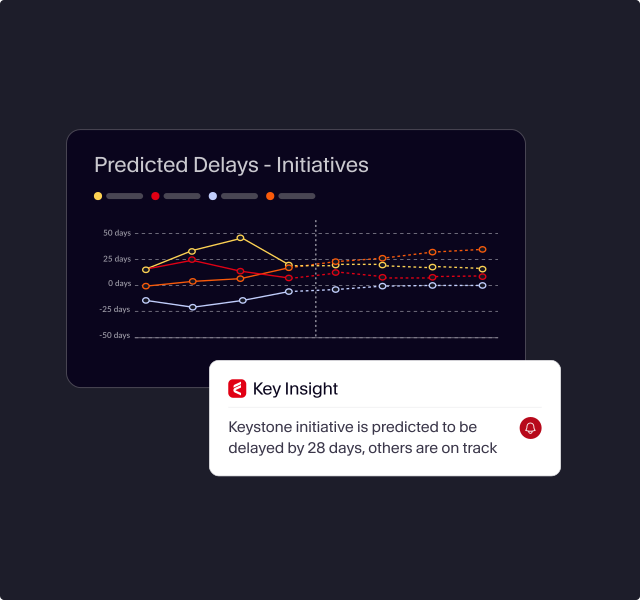
Prevent issues before they slow down execution
Faros analyzes real-time data and historical trends to raise red flags—helping you deliver on time and stay accountable to stakeholders.
- Identify areas of misaligned capacity allocation
- Get early warning on predicted delays and budget overruns
- Address conflicting priorities with dependency management
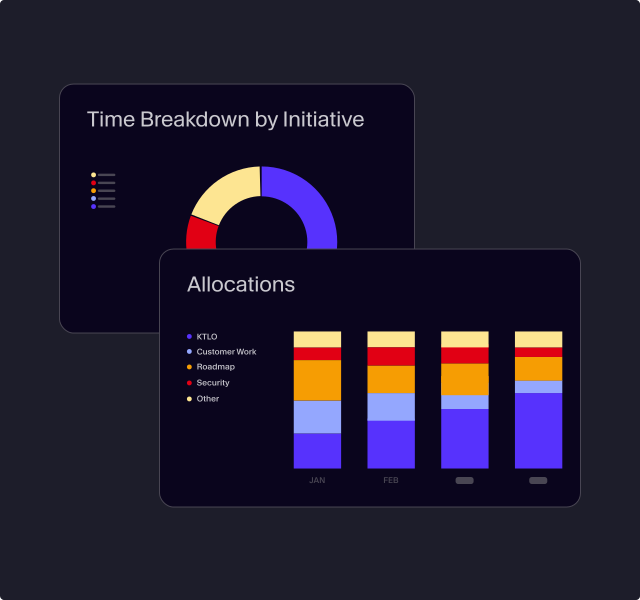
Understand work allocation to build stronger plans
Gain full visibility into how time and resources are allocated—so you can optimize globally and prioritize effectively.
- Analyze time spent across products, initiatives, and geographies
- Track time spent on roadmap, KTLO, security, bugs, and technical debt
- Forecast the resources needed for your next big rocks
Keep teams focused and sprints healthy
Agile metrics and bottleneck insights support meaningful retrospectives, reliable planning, and continuous improvement.
- Measure sprint throughput, WIP, and goal attainment
- Planning and retro dashboards to support continuous improvement
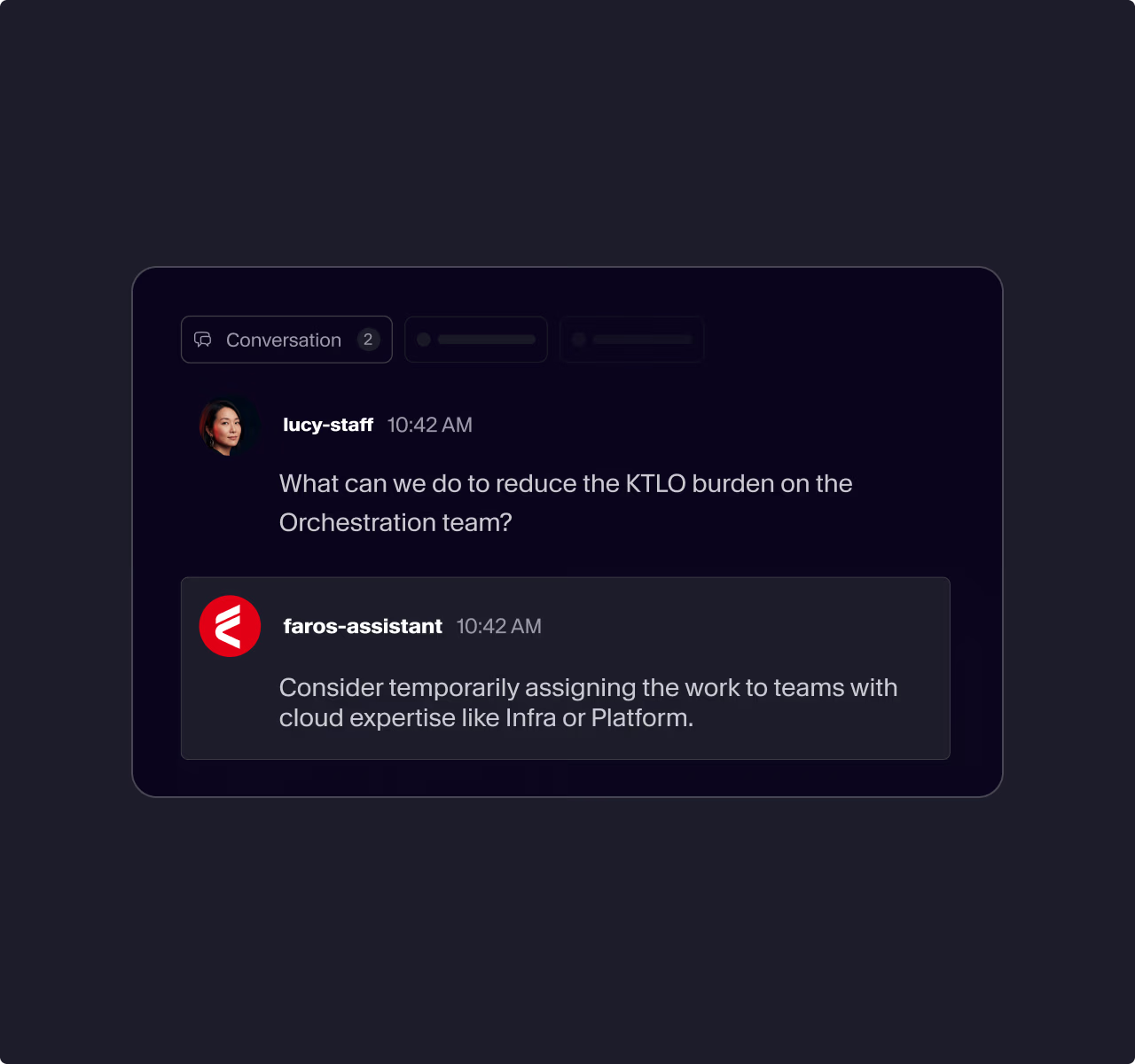
- Personalized AI recommendations that address team constraints
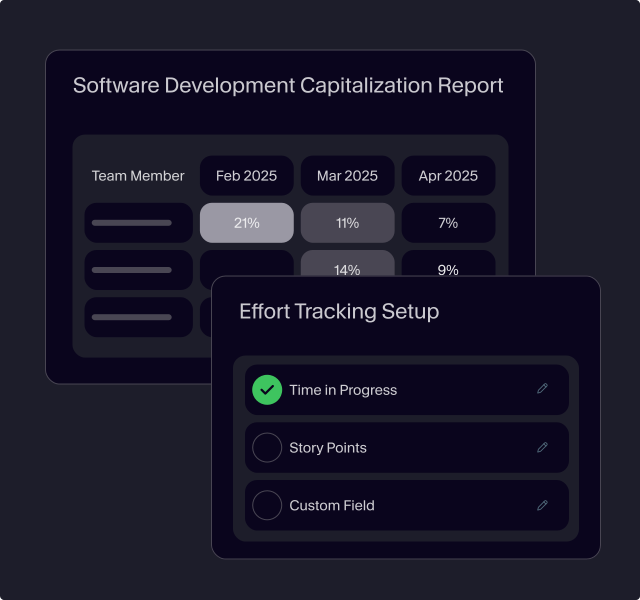
Save hours with audit-ready reports automatically
Turn complex software development cost capitalization tracking into a simple, scalable workflow.
- Auto-generate reports by initiative, epic, or employee
- Ensure accuracy with consistent capitalization rules
- Stay compliant with clear, real-time audit trails
Acceleration Whiplash
The definitive data on AI's engineering impact. What's working, what's breaking, and what leaders need to do next.
- Engineering throughput is up
- Bugs, incidents, and rework are rising faster
- Two years of data from 22,000 developers across 4,000 teams


“We use Faros to learn and improve team by team. Faros was the only platform that had the customizability and flexibility to meet us where we are and produce the metrics based on how we work today.”

We’ve got you covered.
Here are a few highlights.
These are some of the main areas and popular metrics we cover. There's lots more to discover.
Initiative Tracking
- Initiative cost and revenue impact
- Predicted budget overruns and delays
- Completed and remaining work
- Resource allocation vs. targets initiatives, products, teams, and geographies
Agile Health
- Say/Do ratios by sprint, month, and quarter
- Planned vs. unplanned work
- Flow and context-switching benchmarks
- Work allocation analytics by category
Workforce Optimization
- Team composition benchmarks and outliers
- Global sourcing strategy insights
- Efficiency benchmarks for sites and vendors
- Contractor performance metrics (including “ghost engineers”)
SWE Cost Capitalization
- Finance-ready reports with clear audit trails
- Auto-tabulated for eligible activities
- Real-time breakdowns by initiative and epic
- Seamless handling of overlapping tasks, data hygiene, and divergent workflows
Context for the work you do every day
Engineering context powers the use cases that help your organization transform as fast as AI evolves.

Achieve your OKRs with Faros
See the platform in action.