
How AI affects developer productivity and engineering workflows
AI coding tools help developers complete more work. They also change the effort required to understand that work, verify it, and keep it running. As AI usage deepens, engineering organizations can increase throughput while accumulating costs elsewhere in the software development lifecycle.
This article explains how AI usage affects developers and the software development lifecycle, covering key research findings from The Speed Trap (Faros’s AI Engineering Report Q3 2026) and Artificial Intelligence in the Firm: Bottlenecks in Software Production (by Harvard researchers Fiona Chen and James Stratton).
How does AI affect developer productivity?
AI coding tools can help developers produce more code and complete more work, but those gains do not consistently translate into better delivery outcomes. The overall productivity benefit depends on how much effort the organization spends reviewing, correcting, and maintaining that output.
Faros’s Speed Trap research found that task throughput per developer increased 69.0% and epics completed per developer rose 53.7% as teams deepened AI adoption. The increase in epic completion suggests that teams are making progress on larger bodies of work, beyond individual coding tasks. Deployment frequency also increased 13.8% among the roughly 10% of teams with deployment data, indicating that more work is reaching production. At the same time, work restarts per developer increased 66.7%, and average time in QA rose 300.6%, showing that higher throughput comes with additional verification and repeated work (more on this below).
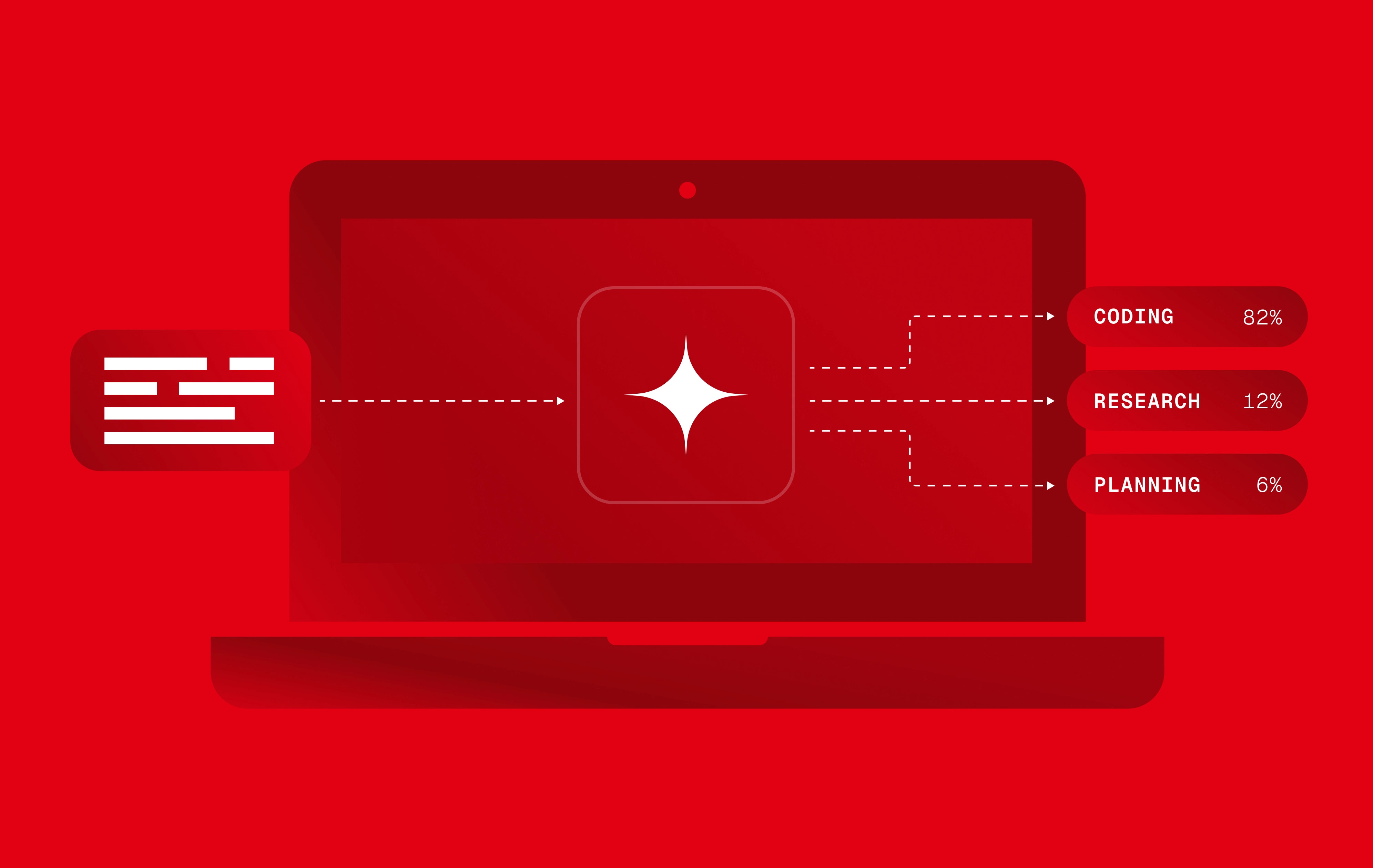
Harvard’s research illustrates that coding gains often stall before becoming delivery gains. Coding-agent adoption increased PRs created per worker by 23%, but increases in completed Jira issues and epics were small and statistically insignificant. The researchers estimated that writing code accounted for 42% of engineers’ time, compared with 30% in a separate survey, helping explain why faster coding alone may have a limited effect on overall productivity. Although the two studies found different delivery results, both highlight the importance of measuring what happens after code is written.
{{cta}}
How does AI usage affect developer cognitive load?
AI coding tools can reduce the effort of writing code while increasing the effort required to coordinate tasks, understand generated changes, and verify results. As AI produces more output, developers must keep track of more work and build an understanding of code they did not write themselves.
This helps explain why the productivity gains described above often come with additional human effort. Faros’s research found that daily task contexts per developer increased 44.6%, while daily PR contexts increased 24.8% as AI adoption deepened. These metrics track the distinct tasks and PRs developers interact with each day. The pattern suggests a shift toward orchestration, where developers supervise more units of work while AI handles more of the execution. Each task still requires attention to its objectives, constraints, and progress.
The changes developers must evaluate are also larger. Average PR size increased 71.8%, and files edited per PR rose 52.0%. Larger changes require developers to examine more logic and trace interactions across more files. When AI generates much of the implementation, developers must understand decisions they did not make before they can confidently approve, revise, or debug the result.
If code production outpaces that understanding, teams can accumulate comprehension debt. The effort required to understand the code is deferred, then resurfaces when someone needs to modify it or diagnose a failure. These workflow metrics do not directly measure mental effort, but they show how AI can change the demands on developers’ attention even as it increases their output.
Why does AI-assisted work need to be restarted?
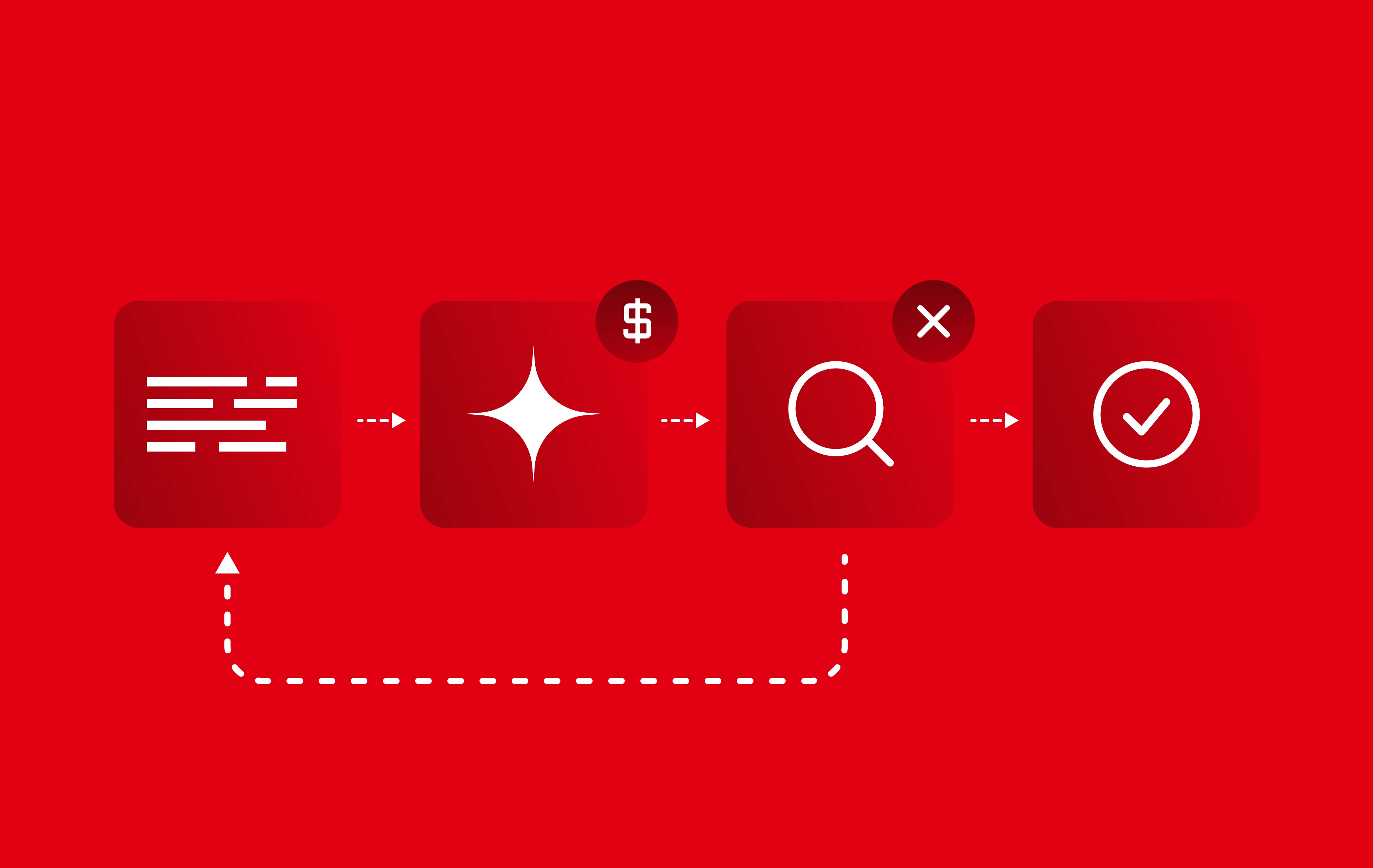
Faros defines a work restart as a task returning to in-progress after moving to another stage. AI-assisted work may need to be restarted when review, QA, or production reveals that the implementation missed a requirement or followed the wrong approach. Inadequate context can contribute to these failures when an agent lacks the architectural constraints, codebase conventions, or testing requirements needed to complete the task correctly.
Work restarts are an expensive type of context switch that can negatively impact developer productivity. When a task returns to in-progress, the developer must identify what went wrong, reconstruct the original intent, and decide which parts remain useful. If AI generated much of the code, that process becomes more challenging because the developer needs to understand logic they did not write.
The developer must also set aside their current task to revisit the earlier work. Once corrected, the change passes through verification again, drawing reviewers or QA back into work they have already examined. The restart therefore consumes attention across the workflow, extending the cost beyond the developer’s second attempt.
How is AI changing software development workflows?
AI is increasing the volume of work entering review and QA, shifting more engineering effort toward verification and correction. When those stages cannot absorb the additional output, work queues grow, checks are bypassed, and problems surface later in the delivery process.
The larger changes described above must still be checked for correctness, architectural fit, and intended behavior. Faros’s research found that median time to first PR review increased 114.5% as AI adoption deepened. This means more time passes before verification even begins, delaying the feedback developers need to move work forward.
Harvard’s research uncovered a similar constraint following coding-agent adoption. PR submission-to-merge time increased 49%, while the share of PRs receiving formal change requests rose from approximately 13% to 25%. The review process is handling more incoming work while requiring more revision before changes can move forward.
Due to the sheer volume of AI-generated code, many organizations are trying to increase their review capacity, with Harvard finding that the share of workers participating in review increased 14%. However, this does not mean that all code is actually being reviewed. Faros’s data indicates that PRs merged without any human or agentic review is up 76.3%. So, while review responsibilities are spreading across the organization, a growing amount of work is still bypassing review altogether.
Skipping review then moves heftier verification work into later stages. Faros’s finding of the average time in QA rising by 300.6% signals that QA is inheriting checks deferred earlier in the workflow. Problems discovered there require developers to revisit their implementations and send the corrected work through verification again.
And finally, problems that reach production create further demands. Faros’s research show monthly incidents increased 125.4%, and mean time to remediate rose 25.8%. The code quality implications are explored in the full report, but the workflow consequence is clear. More engineering capacity goes toward diagnosing and correcting shipped work, reducing the time available for planned development.
{{cta}}
How can engineering teams improve AI productivity and control costs?
Engineering teams can improve AI productivity and control costs by reducing avoidable rework, ensuring verification keeps pace with output, and measuring spend against delivery outcomes. These changes help organizations retain more of AI’s initial speed gains as work moves through the SDLC.
Faros recommends to start with the authoring problems that send work back. Context engineering gives agents the codebase standards, architectural intent, system history, and testing requirements they need before implementation begins. When reviewers or QA repeatedly identify the same missing requirement, capture it in agent instructions or an automated check. Limit each change to a scope that developers can understand and verify, then track restarts and repeat review issues to assess whether those improvements are working.
Next, verification capacity must also keep pace with authoring. Faros’s research found that high agentic-review adoption was associated with a 10.7% reduction in time to first review and a 24.4% reduction in change failure rate. It’s important to note that agentic review can help, but its presence does not guarantee full coverage. Organizations should define which changes require human review, agentic review, or both, and enforce those requirements so delivery pressure does not determine which checks are skipped.
Finally, connect AI consumption to the work it produces. Engineering leaders and AI FinOps practitioners should attribute AI spend to teams and tasks and spend per verified outcome alongside restarts, QA time, and remediation effort. This helps distinguish spending that supports delivery from spending tied to repeated corrections. Use that evidence to prioritize the context and workflow improvements that reduce both AI consumption and demands on engineering time.
Contact us to explore how your organization can improve AI Engineering workflows while controlling AI coding costs.