
The speed trap facing your team
The budget review is the last meeting of a long Tuesday. AI spend has climbed every month since spring, and the CFO has one lingering question: what are we getting for it?
The VP of Engineering has good news ready. Tasks per developer are up, deployments are up, and the roadmap is moving. Then come the follow-ups. How much of the spend went to work that had to be redone? Nobody knows, because the token bill sits in a vendor dashboard and the rework sits in Jira. Why do the agents keep making the same mistakes? A few senior engineers could tell you, but none of it is written down where an agent can read it. And who decided the last batch of pull requests could merge without review? Nobody did. It was individual developers making individual calls, and none of it was logged.
Those are three blind spots: where the money goes, why the same work gets done twice, and which controls are holding. Our new AI Engineering Report, The Speed Trap, puts numbers behind all three.
What our latest report found
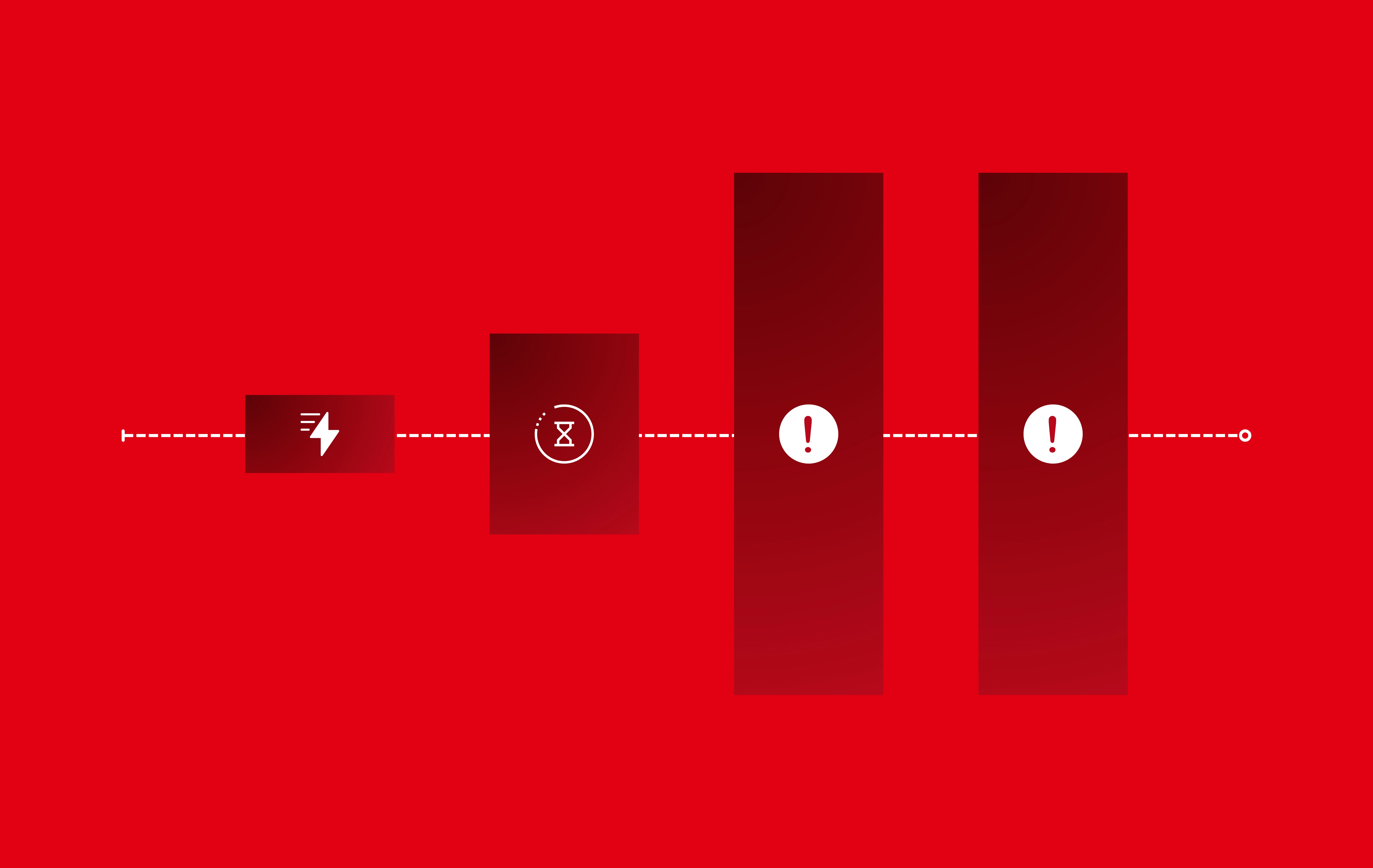
The report covers 12 months of telemetry from 22,000 developers across 4,000 teams. Since our April report, the risk of any single change has settled: incidents per pull request are up 14.5% under high AI adoption, compared with 242.7% last time. But PRs merged with no review at all are up 76.3%, time in QA is up 300.6%, and monthly incidents are up 125.4%. Each change is safer, and there are far more of them.
{{cta}}
Where Token Engineering comes in
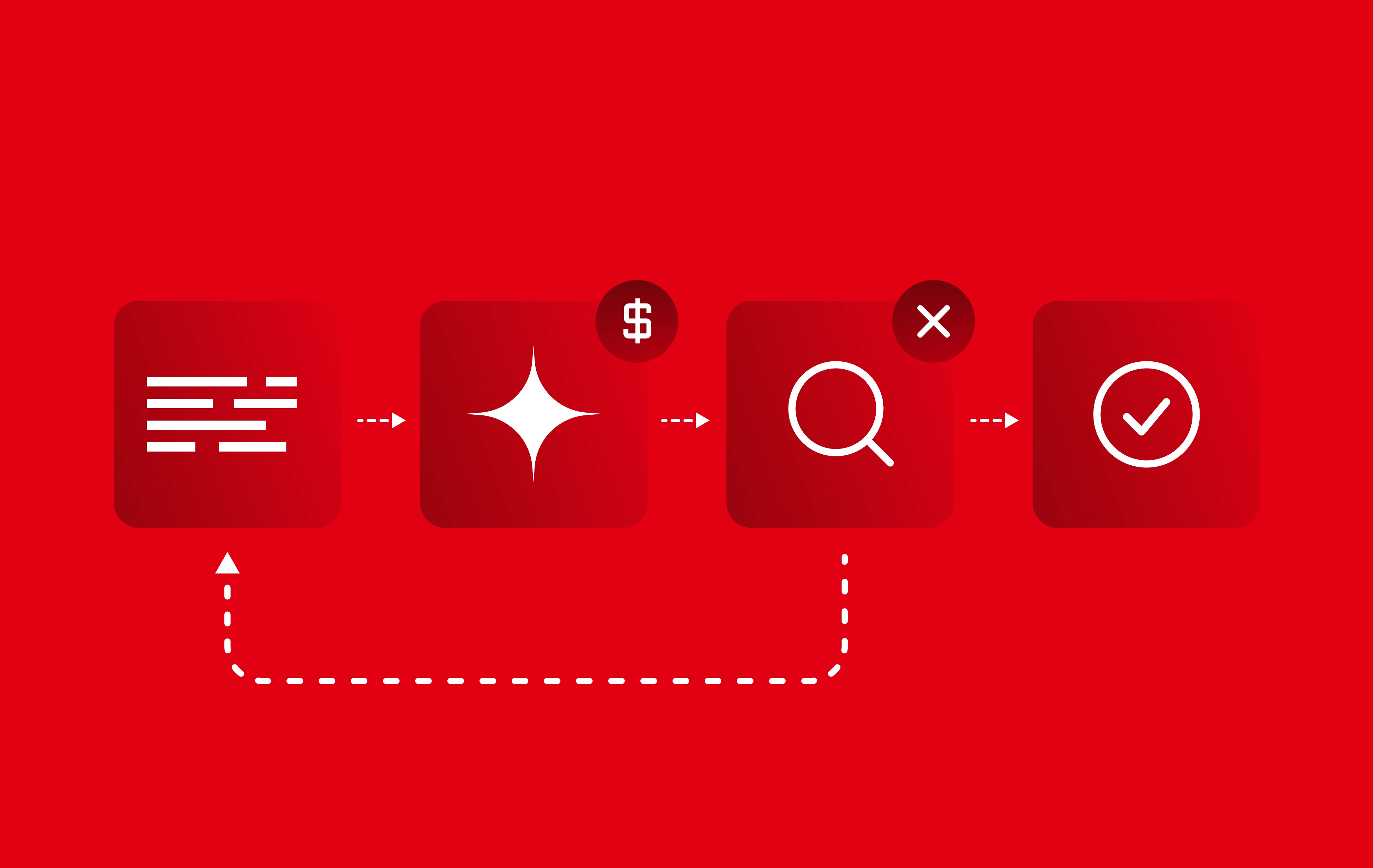
Token Engineering is the practice of observing, optimizing, and governing how an organization spends on AI, run as one closed loop. Faros runs that loop end to end, tracing every AI dollar to the outcome it shipped, and each of the three questions the VP couldn’t answer in that budget meeting is one the Faros platform can answer directly.
Observe: Where did the money go?
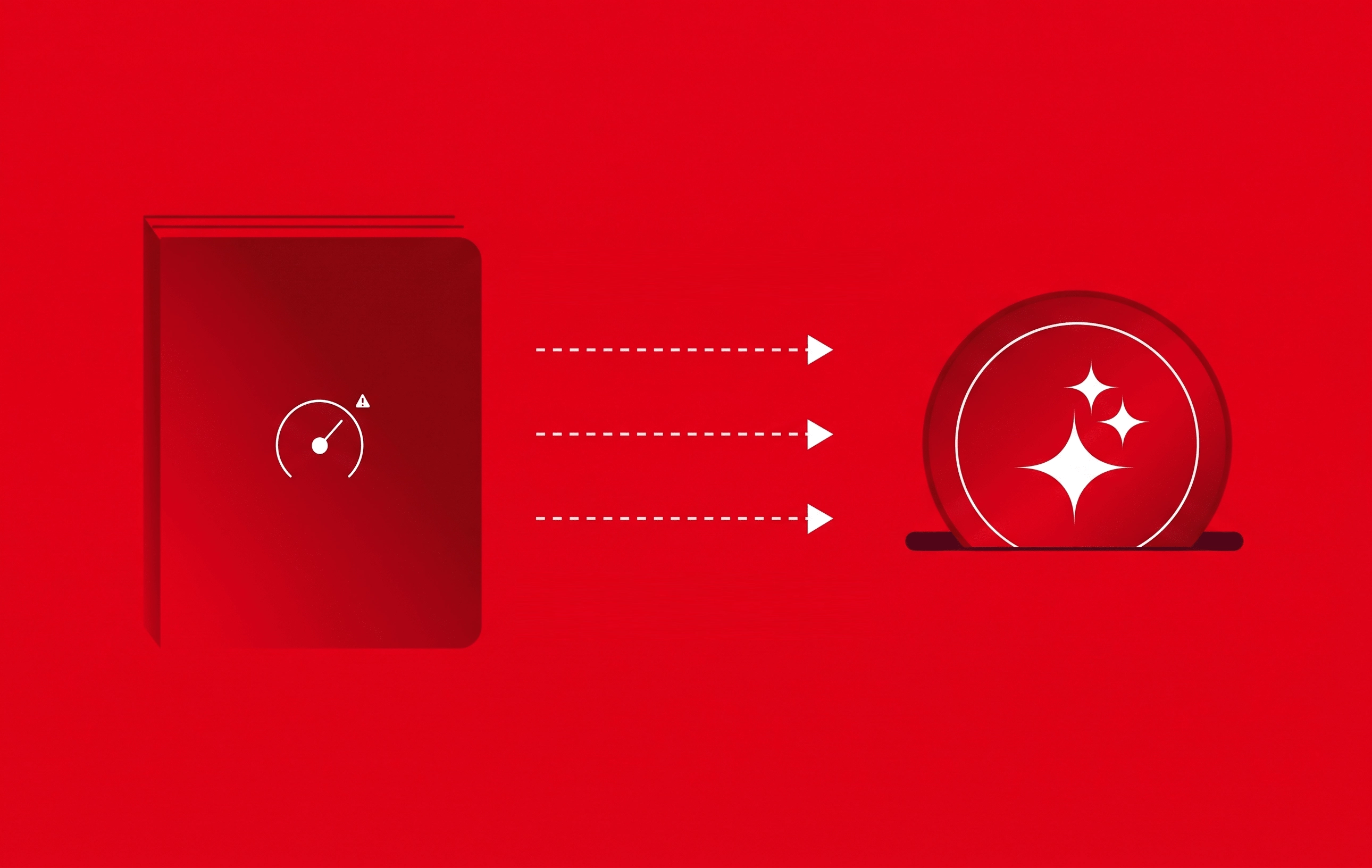
The first follow-up, how much of token spend went to rework, is not something an invoice can tell you. It gives a total by vendor and little else. Two engineers on identical licenses can end up an order of magnitude apart in cost, and each AI tool only reports on its own usage, so nobody ever matches the spend to the work it paid for.
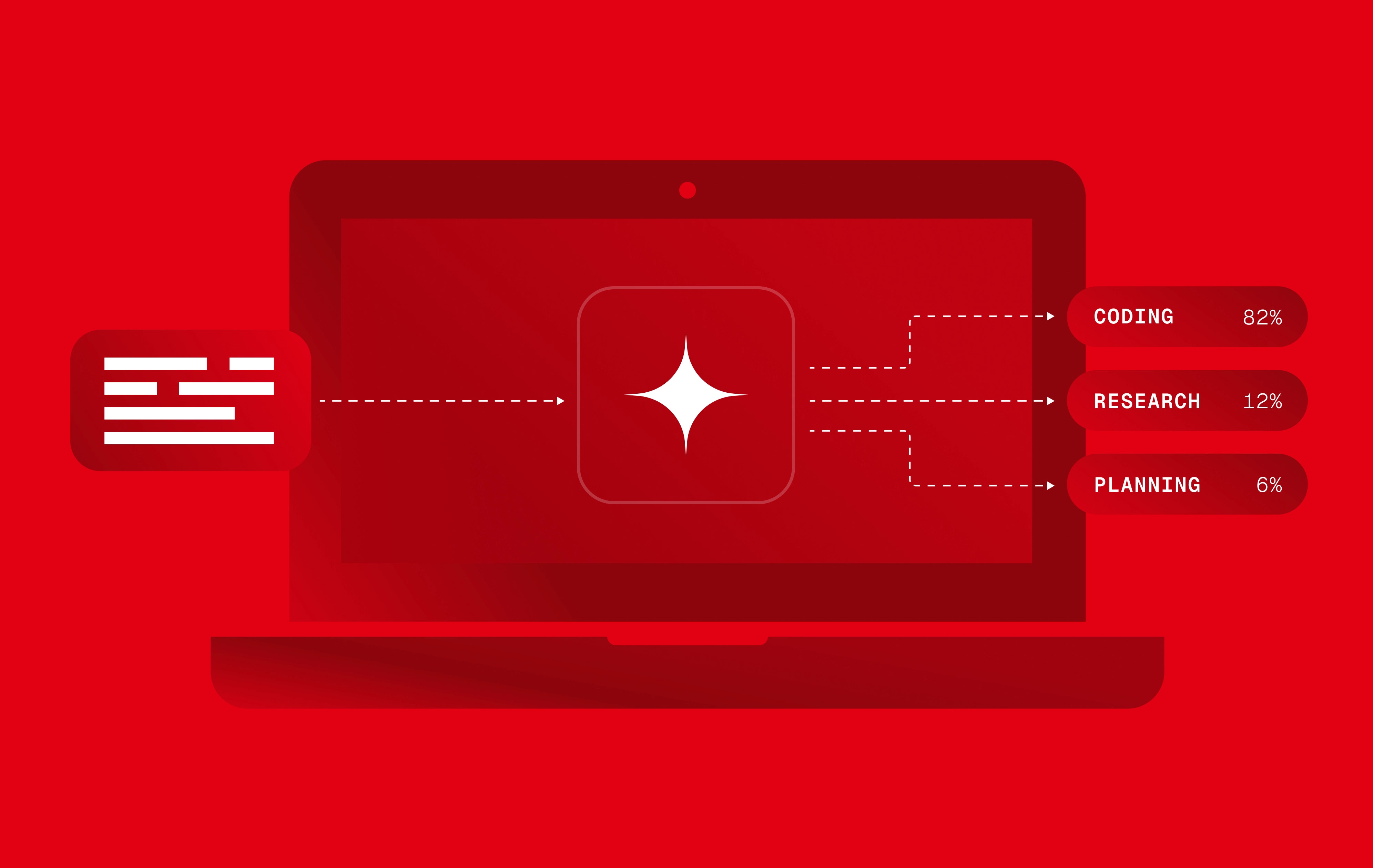
Faros joins spend to your repositories, Jira epics, and org hierarchy, with people and agents side by side, and ties cost per outcome back to the merged PRs and tickets behind it. So when the CFO asks which teams are driving the spend increase, the VP can answer by team, and when one team’s cost per outcome looks high, the VP can click through to the PRs behind it and check what that money bought.
Optimize: Why does the work keep coming back?
The second follow-up, why the agents keep making the same mistakes, mostly has to do with what the agents were never told. An agent calls an API the team retired last quarter, and a reviewer flags it. The agent fixes it, and next week a new session calls the same API, because nobody ever passed the correction back to the agent. The report’s clearest signal of this is work restarts, which are up 66.7% per developer. Every restart is work paid for twice.
Faros fixes this at the source by giving agents your organizational context before they get to work: the history of your changes, your architectural decisions, and your codebase standards, with every review finding fed back in as a rule so the same correction is only made once. So when the CFO asks why the agents keep repeating themselves, the VP can show restarts by team and track them as the measure of whether the context is working.
Govern: What’s actually holding?
The third follow-up was who had approved the last batch of unreviewed merges, and nobody had. Review gets skipped under deadline pressure far more often than by any written policy, so each call is made in the moment and leaves no trace.
Faros governance sits above any one tool and works at the gateway, yours or ours. It checks approved models and harnesses at the request and flags shadow usage as it happens. Every session is logged with its model, the policy in force, and its cost, so when the CFO asks about a specific batch of merges, the VP can pull up the record of what ran and under which policy instead of guessing.
A quarter later, the same meeting goes differently, because each of the CFO’s follow-ups has an answer the VP can show in the room.
Where to start
Before the next budget review, find out what you can and can’t see today: how much of your AI spend traces back to shipped work, how often changes merge without review, and how much work comes back for a second pass. Wherever the answer is hard to get, that’s where to start. Our latest report’s ten recommendations each come with a first step you can take this week.
Faros traces your AI spend to shipped outcomes and tests model and configuration changes against your own historical work under controlled, comparable conditions. To see what cost per verified outcome looks like for your organization, talk to an expert or get started with a demo.