
Is your default AI model costing you more than it should?
Most teams choose AI coding models based on gut feel, brand preference, or public leaderboard rank. None of these reflect their own development environment. Public leaderboards run standardized tasks against public repositories, while enterprise teams work in proprietary code with internal frameworks and their own dependencies. Public rankings also cover only a handful of model and harness pairings and ignore reasoning levels and skills. Without a way to test first, teams only learn whether a setup works after rolling it out to production.
One-off internal evaluations also have their own limits. A handful of handpicked tasks covers a fraction of a team’s engineering work, and the findings go stale as new models ship and the codebase changes. In a Faros study, the best default changed while the experiment was still running because a new model was released mid-test.
Choosing the wrong model costs money in both directions. With model pricing varying by as much as 10x, defaulting to a flagship model for routine work overpays for capability the task doesn’t need, and choosing an underpowered route shifts the cost into retries and rework.
That’s why we created Time Machine.
What is Faros’s Time Machine?
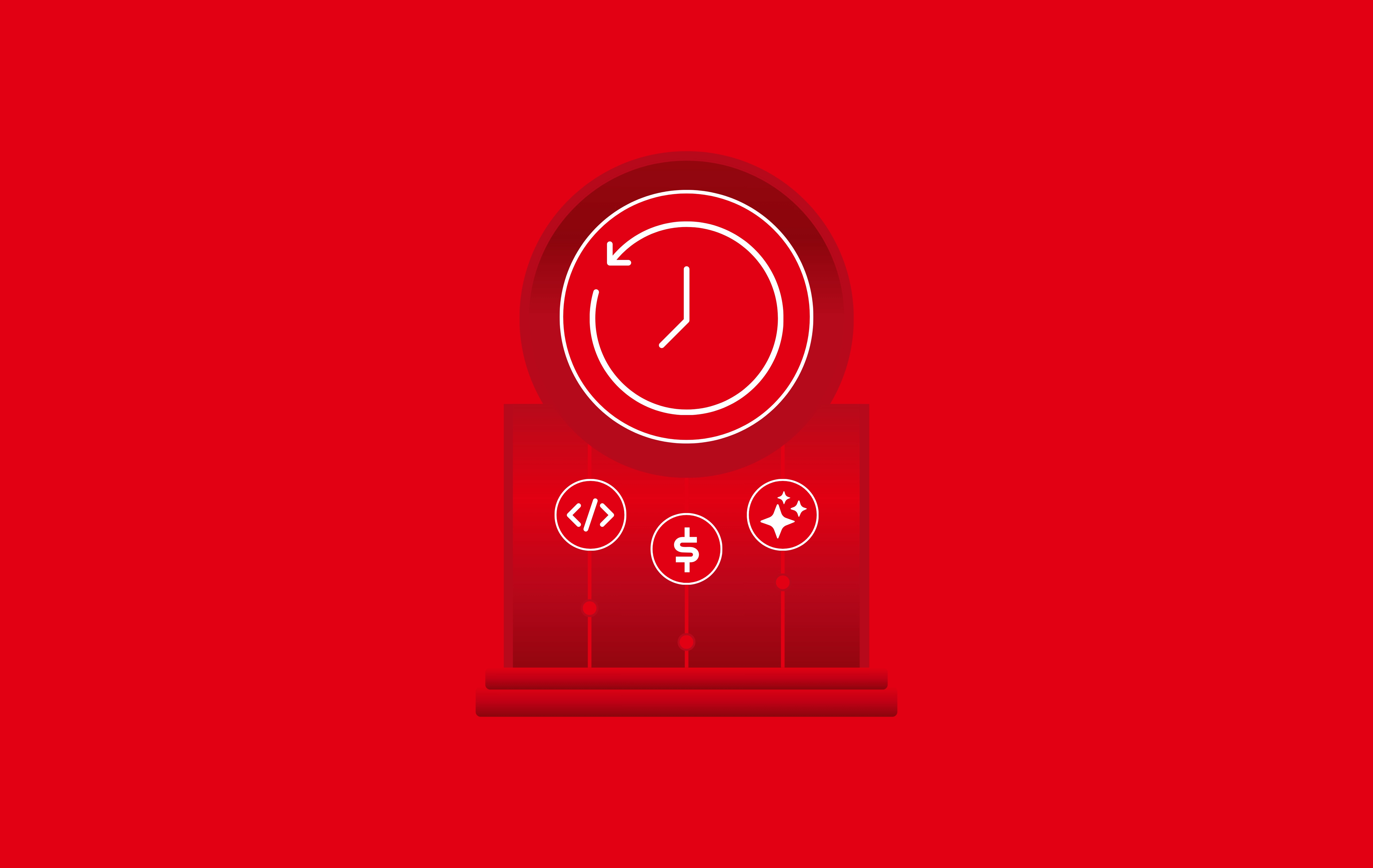
The Faros Time Machine is a patent-pending evaluation engine that tests alternative AI coding setups against work your teams have already shipped. It answers the central question in AI model routing: Which AI coding setup delivers the best quality and cost in your environment? It scores each option on quality, cost, and runtime without changing anything in production.
How does Faros’s Time Machine work?
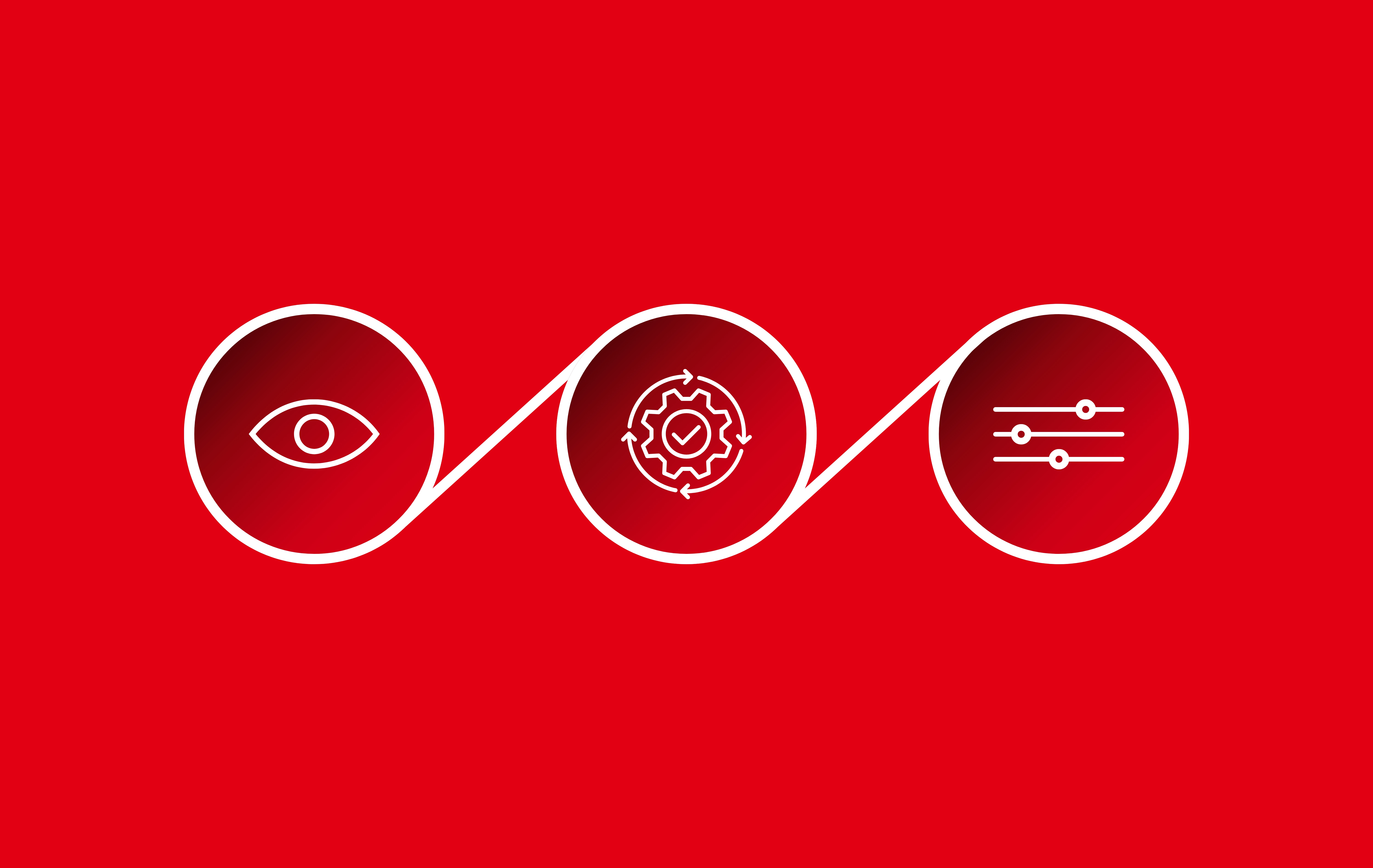
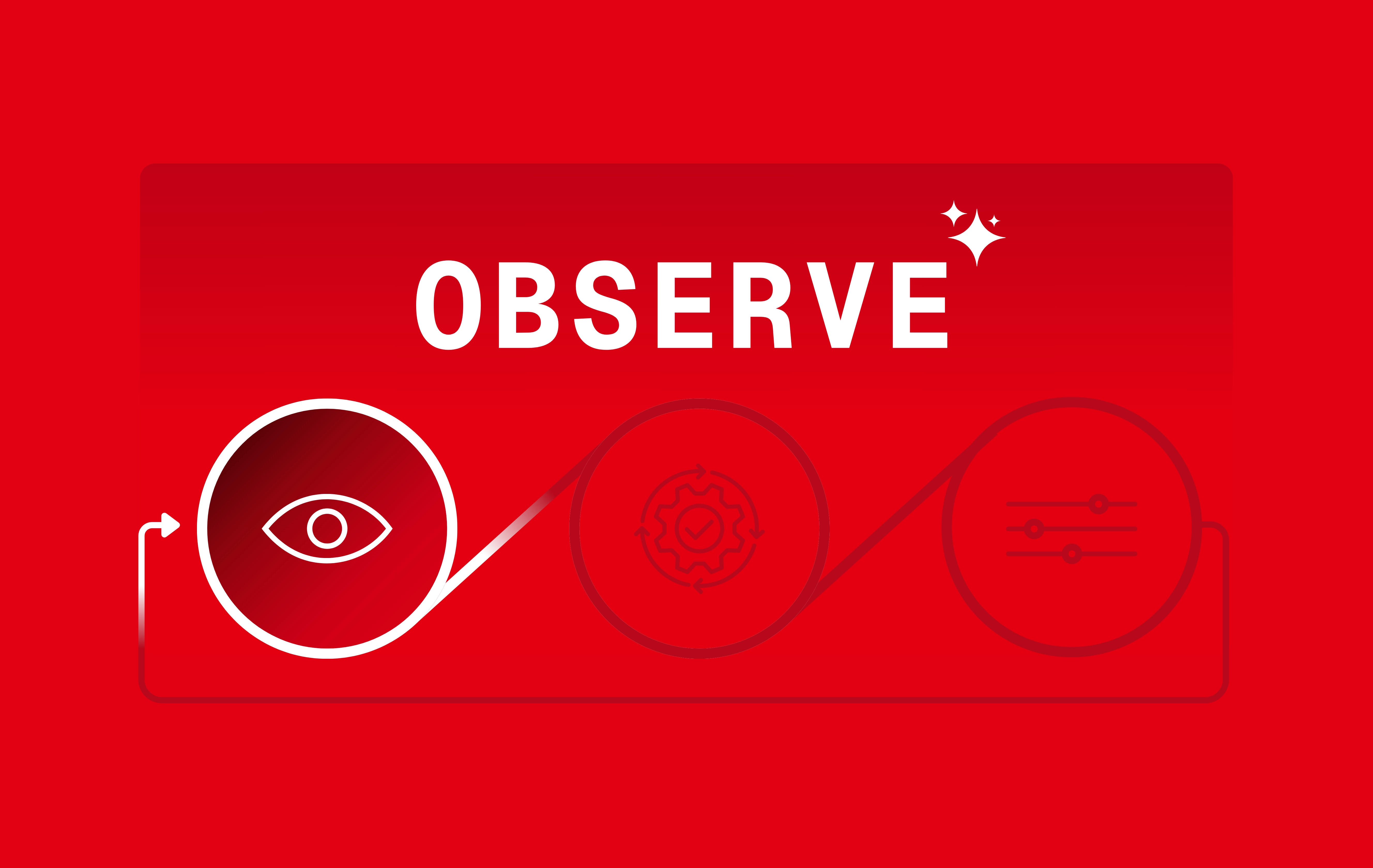
Faros’s Time Machine uses your past tasks and pull requests to test new AI setups against work your teams have already shipped. The process has three steps:
- Build a benchmark from your own work. It converts merged pull requests and work items into replayable tasks, using your historical codebase as the baseline.
- Run evals with alternative AI setups. It compares models, harnesses, context, and skills on the same tasks, in isolated workspaces away from production.
- See what improves quality and cost. It scores results on quality, cost, runtime, and task-level performance, and re-evaluates them as tools and code change.
The six criteria for trustworthy model evaluation
A trustworthy model evaluation meets six criteria:
- It is based on your own repositories.
- It uses merged work as ground truth to define real tasks and their real scope.
- It tests the whole route: model, harness, reasoning level, skills, agent context, and routing rules, so the routing rules are built from evidence rather than defaults.
- It compares fairly. Every route runs the same tasks and gets the same scoring, and the scorer does not know which route produced a result.
- It is safe to run. It never tests on production, and your code stays inside your boundary.
- It stays current and re-runs as models and code change.
What benefits can companies experience with Faros’s Time Machine?
Companies use the Faros Time Machine to cut AI coding costs without giving up quality. Teams see the value in three ways:
- Lower AI spend at equal or better quality. The cheapest model is not always the cheapest choice, and a more expensive model does not always mean overpaying. What matters is cost per outcome. Faros’s Time Machine finds the route that balances quality and cost for each type of task, so teams pay for optimal outcomes with minimal waste.
- Decisions that stay current. New models are evaluated on the same tasks with the same scoring method, and routing is updated when a new route performs better on cost or outcomes.
- No production risk. Alternatives run in isolated workspaces, and your code stays inside your boundary.
The financial impact shows up at enterprise scale. One Faros customer, a financial services company with 711 developers using GitHub Copilot and Claude Code, was spending more than $300K a month on AI, and its developers typically defaulted to the maximum model. After testing five models on 88 PRs with the Time Machine, the company found it could recover 30% of session spend through better choices of models, skills, and tools.
These results come from specific organizations, so each company should benchmark against its own codebase, workflows, and budget.
Reach out for a demo to see Time Machine in action.