
What Accenture’s memo says
This past week, 404 Media reported via a leaked internal memo that the consulting firm Accenture had capped employee Claude spend across the board at $29 per person per month. While heavier usage is still allowed under the policy, it needs to be individually requested and assigned to a budget owner.
We’ve been tracking plenty of similar policies across industries from companies struggling to tie their AI usage to outcomes that improve their business’s bottom line. When the ROI of your token spend is a complete mystery, your finance department's lobbying for a blind cap across the company isn’t very surprising.
The reality is that these kinds of spend caps are short-term fixes that also limit a company’s potential AI-driven returns. But it’s impossible to see this if your company isn’t tracking how AI spend gets tied to business outcomes.
Most companies can see what their employees are spending at the vendor level, but they can’t see what those tokens bought.
Two different employees spending $1,000 per month but seeing drastically different bang-for-their-buck productivity gains will get hit by that same spending cap. If your business is aiming to reformat itself as an AI-native company, you’ll need to empower your most productive AI users, and build governance controls that turn your overspenders into more savvy users.
Two employees, same bill
In 404 Media’s coverage of the memo, an Accenture employee building an AI solution for clients said their Claude Code usage had been running at nearly $1,000 a month before it was cut. Now picture two engineers at your company at that same level of spend.
The first has spent most of the month running agents through the database migration the company has been dodging for two years. It merged last Thursday, and the team has been quietly celebrating ever since. The second was handed a small script cleanup on the first of the month, and an agent has been retrying it every few hours since, convinced the next attempt will be the one. The ticket still says “in progress,” so nobody has looked deeper.
Finance sees one number for both of them, and so does the budget owner approving their requests.
What a blanket cap does to them
The retry loop burns tokens slowly and steadily, so it may never reach the cap. The migration is running many agents at once and reaches it partway through the month, right when the work is starting to pay off. A cap hits the heaviest users first, and the heaviest users are often the ones discovering what AI can do for the business.
The overflow process has the same blind spot. A budget owner who gets a $1,000 request with nothing attached to it can’t judge it, so they say yes when the request comes from a team lead and no when it comes from a new hire, because that’s the answer nobody will second-guess.
Connecting spend to outcomes
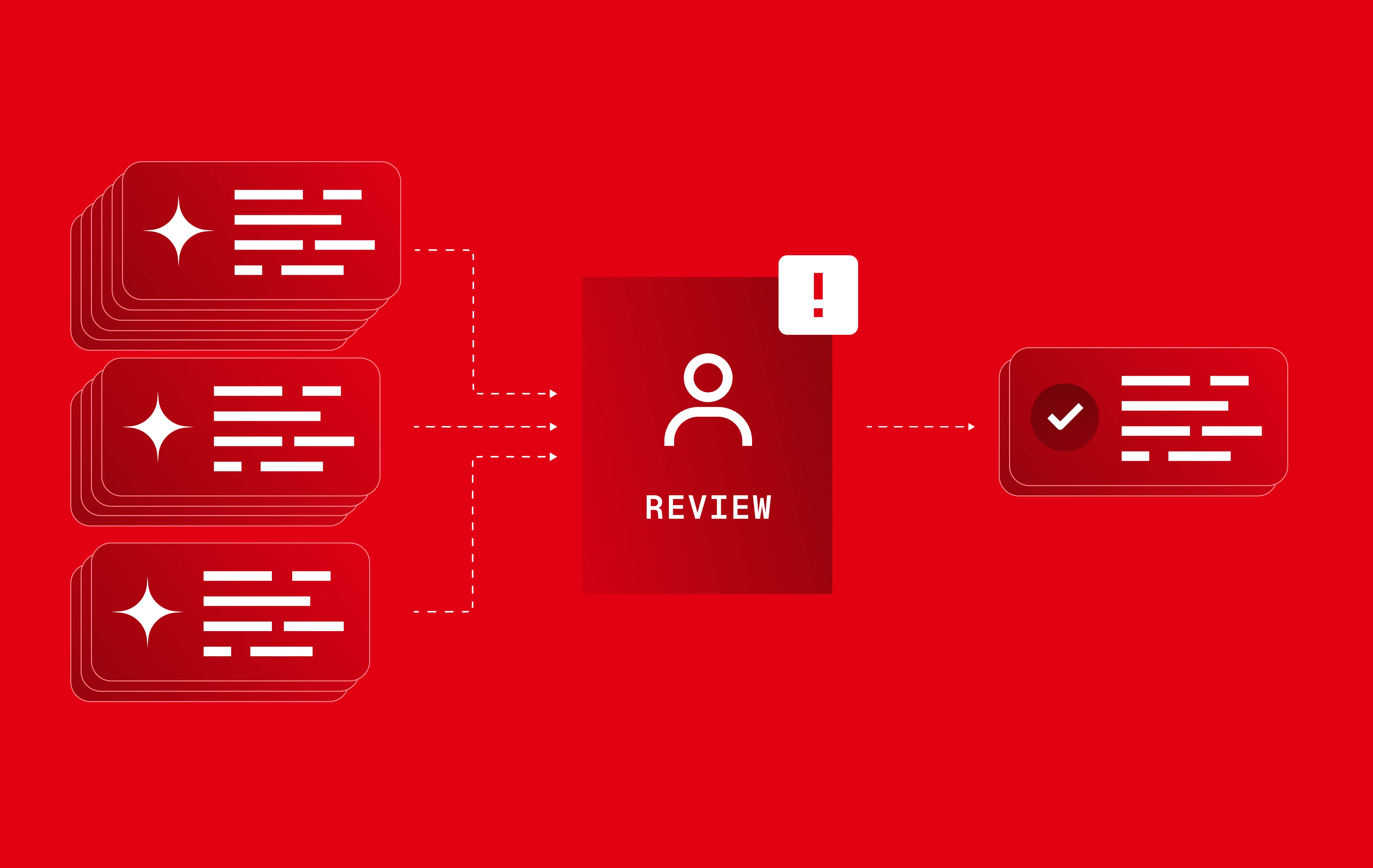
To tell the two apart you have to follow the spend to what happened next: which pull requests merged, which tickets closed, which work came back for a second pass. That means joining token data to your repositories, your Jira, and your org chart, so cost per outcome is something you can calculate and then click into. A team averaging $2,000 per outcome might be shipping hard changes on a hard repository, or a pile of small PRs that don’t justify the price. Reading the work behind the number is the only way to find out. It also helps to know how important the work was. A large number of cheap outcomes on an internal side project and a few expensive ones on next week’s release can look equal in efficiency, but they obviously aren’t equally valuable.
Learning from your top spenders
Start by pulling the top one percent of spenders and treating the list as a study group, not a watch list.
Where the spend turned into shipped work that mattered, those employees probably deserve more budget. They’re also your best source on what works: the harness they use, the context they give agents before a task starts, and the habits they’ve built. If you copy one thing, copy the context.
Where it didn’t turn into much, check the setup before the person. An agent missing context will redo the same work, a loop can run unattended for weeks, and a task can be too large to land. Each has a different fix, and a cap addresses none of them.
Once you’ve seen the pattern, policy can follow it: slow a workload down when its spend climbs and its outcomes don’t, and leave it alone when both climb together.
Starting with ten names
Pick ten people from the top of your spend list and find out what each one shipped last month. If you can answer that without a spreadsheet project, you’re ahead of most companies. If you can’t, you’re in the seat of an Accenture budget owner staring at a $1,000 request with nothing attached.
Faros was built to close that gap: AI spend traced to shipped outcomes, down to the person, the repository, and the pull request. To see what cost per verified outcome looks like for your organization, talk to an expert or get started with a demo.